August 2027
Hanifaru Bay, Maldives
Dates
August 15 to 22, 2027
Duration
8 days / 7 nights
Dives
17 dives (1 night dive)
Type
Scuba
Base
Liveaboard
Required Level
Advanced Open Water recommended
The Place
Every year from May to November, the southwest monsoon drives plankton-rich water against the western side of the Maldives. In Baa Atoll it funnels into a small, keyhole-shaped lagoon called Hanifaru Bay, and the reef mantas follow it in. On the right tide they arrive in their dozens, sometimes their hundreds, barrel rolling and chaining nose to tail through the soup in what divers call a manta cyclone. It is the largest known feeding aggregation of reef mantas on the planet.
We built this expedition around it. Seven nights aboard Emperor Serenity, sailing north from Malé through Lhaviyani, Baa and Raa, with the full moon falling on August 17, mid-trip. Full and new moons drive the strongest tides of the month, and the strongest tides push the most plankton into the bay. August sits in the heart of the season.
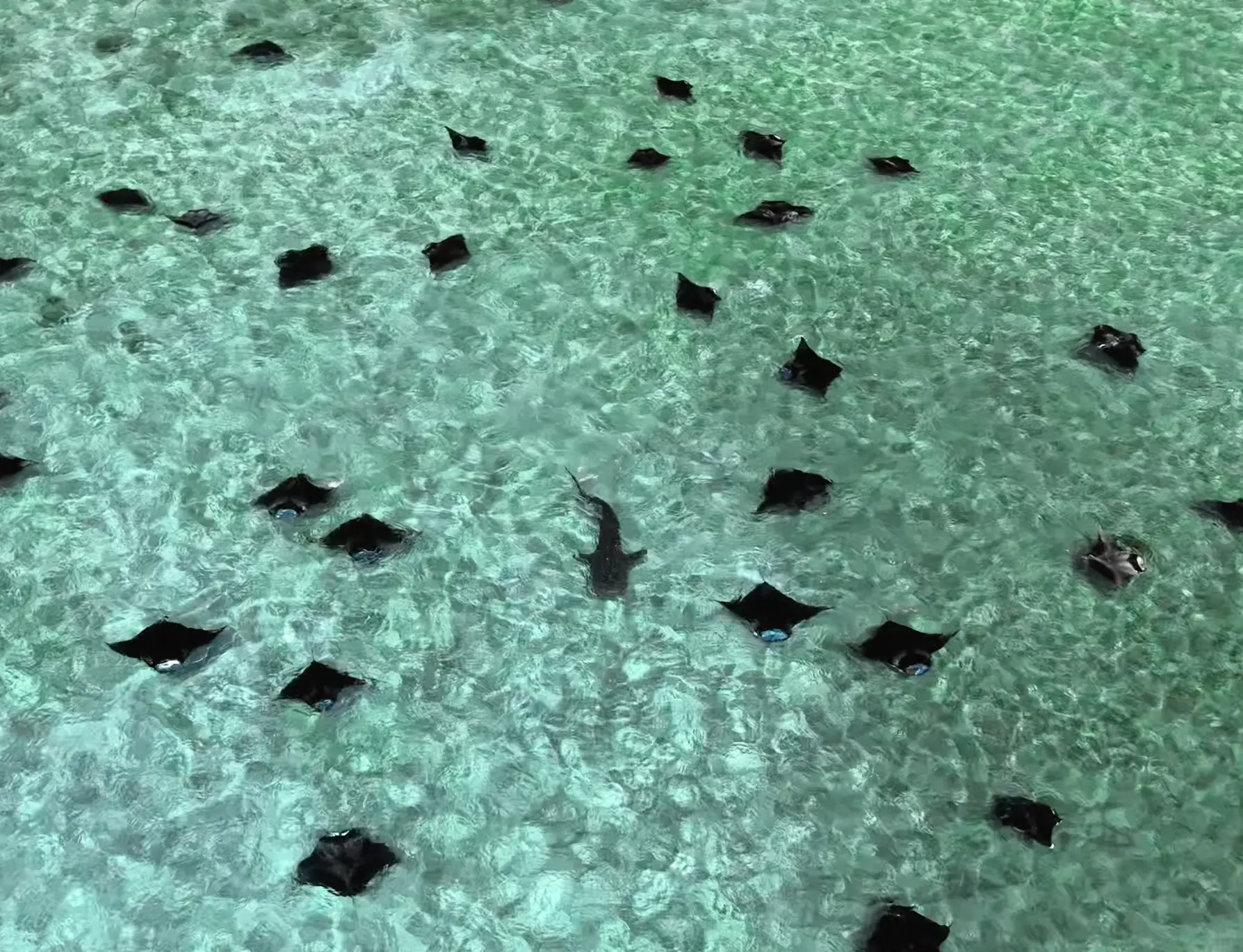
Hanifaru itself is snorkel only. Scuba has been banned there for over a decade, because exhaust bubbles break up the feeding columns the mantas are working. The spectacle happens in the top few meters anyway, so a mask and a snorkel is genuinely the best seat in the house. Around it, we dive. Manta cleaning stations in Lhaviyani, Baa and North Malé, where the same animals come in to be groomed after feeding and hang almost motionless above the coral while cleaner wrasse work them over. Channel drifts at Kuredu Express. Turtles at Kuredu Caves. Two wrecks at the Shipyard, one still breaking the surface. Thilas, overhangs, and the sites the northern atolls are quietly known for.
We have chartered the entire boat: the two of us plus twenty-four Icosa team members, our own itinerary, at our own pace. We are particular about how we dive, down to the number of guides and which corner of which site we spend our time on. We plan all of it in advance, and then we build in the room to adjust. If conditions turn, if the rangers call the bay, if something better is happening two atolls over, we go. A full charter is what makes that possible. Nobody else on board needs convincing. Expedition leaders Matthew David Kaplan and Audrey Cox will be running masterclasses in underwater filming, editing and storytelling throughout the week, above and below the surface.
Highlights
- •Snorkel Hanifaru Bay, the world's largest reef manta aggregation, inside the UNESCO Baa Atoll Biosphere Reserve
- •Full moon on August 17, right in the middle of the week, for the strongest tides and the densest plankton
- •Dive manta cleaning stations across Lhaviyani, Baa and North Malé for encounters all week long
- •Real chances at whale sharks, which follow the same plankton into the same water
- •Eagle rays, grey reef sharks, whitetip reef sharks, turtles and schooling pelagics
- •Channel drifts, thilas, caves and the Shipyard wrecks in the northern atolls
- •Filming, editing, and storytelling coaching led by Matthew David Kaplan and Audrey Cox
- •40m liveaboard, 13 ensuite cabins, separate diving dhoni, small guide ratios
- •6 days diving, 17 dives including a night dive
- •Full charter, so the boat runs on our schedule and chases the action
- •Nitrox included
- •Divers and snorkelers both welcome
Pricing & Logistics
Wildlife you may encounter
Trip Program
Arranged transfers run from Velana International Airport to the boat at 12:00 and 16:00, so plan your flight to land in time for one of them. If you are arriving the night before, there are plenty of hotels a few minutes from the terminal, and we recommend it.
Settle into your cabin, meet the crew over a safety briefing, set up gear, and get oriented. Serenity stays moored in port the first night, so there is no diving today. Use the evening to sort camera rigs and get your kit laid out before the week starts moving.
Five days of diving, three dives on most days, with the schedule built around the tides and the moon rather than a fixed list of sites.
We open with a check dive near Malé, somewhere forgiving to sort weights and trim, then turn north. There is no night sailing permitted in the Maldives and the crossings up here are long, so the route is shaped by daylight as much as by dive sites. Part of the reason we took the whole boat is so those hours get spent where we want them.
Lhaviyani first. Kuredu Express is the anchor, a channel drift that runs hard on the tide and pulls in grey reefs, eagle rays and trevally. Kuredu Caves for turtles in the overhangs. The Shipyard for two wrecks, one still breaking the surface. Fushivaru Thila is a protected cleaning station and one of the more reliable places in the atoll to sit and wait for mantas to come to you.
Then the crossing to Baa, which can take up to seven hours and needs decent weather. Baa is where we plant ourselves for the moon. The full moon falls on August 17, day three, and the spring tides around it are what drive plankton into Hanifaru Bay. We are in the right atoll, on the right days, with time to spare on either side.
Hanifaru is snorkel only and access is managed by rangers. Liveaboards do not enter the bay directly, so when the call comes we tender in from Dharavandhoo for a session of roughly 45 minutes with a licensed guide. Depending on the day, that may take the place of one of our dives. It is worth it. Around the bay, Baa and Raa hold cleaning stations and thilas where the same mantas come in to be groomed, and those give us scuba time with them on a far more predictable basis.
We work our way back south through the week, picking up North Malé sites on the return leg, including Lankan Manta Point.
One night dive during the week, and a BBQ dinner ashore on a local island, weather allowing.
A few things worth knowing about how we run it:
- Mantas first. Every routing decision this week gets made in service of manta time, in the bay and on the cleaning stations. Everything else is what we do while we wait for the right tide.
- Tides and the moon. We do not have a day-by-day schedule and we don't want one. Sites get chosen during the week based on conditions, exchange, the wind, and what the rangers and other boats are seeing.
- Repeats over checklists. We would rather dive a handful of exceptional sites several times than tick off twenty once. If a dive delivers, we go back in.
- Ready to move. The bay can go off with little warning. A full charter means nobody needs convincing when it does.
One dive in the morning, observing the rule of no diving within 24 hours of reaching altitude, then the boat turns for home. We come into Malé port around 13:00 and moor there overnight. There is the option of an afternoon ashore to stretch your legs. Evening is for packing gear, settling bills, and one last dinner on board.
Disembark at 07:00 with transfers arriving at the airport by 07:30. Book flights at or after 10:00 to give yourself room. Six days of diving, 17 dives in total, plus Hanifaru.
What to Expect
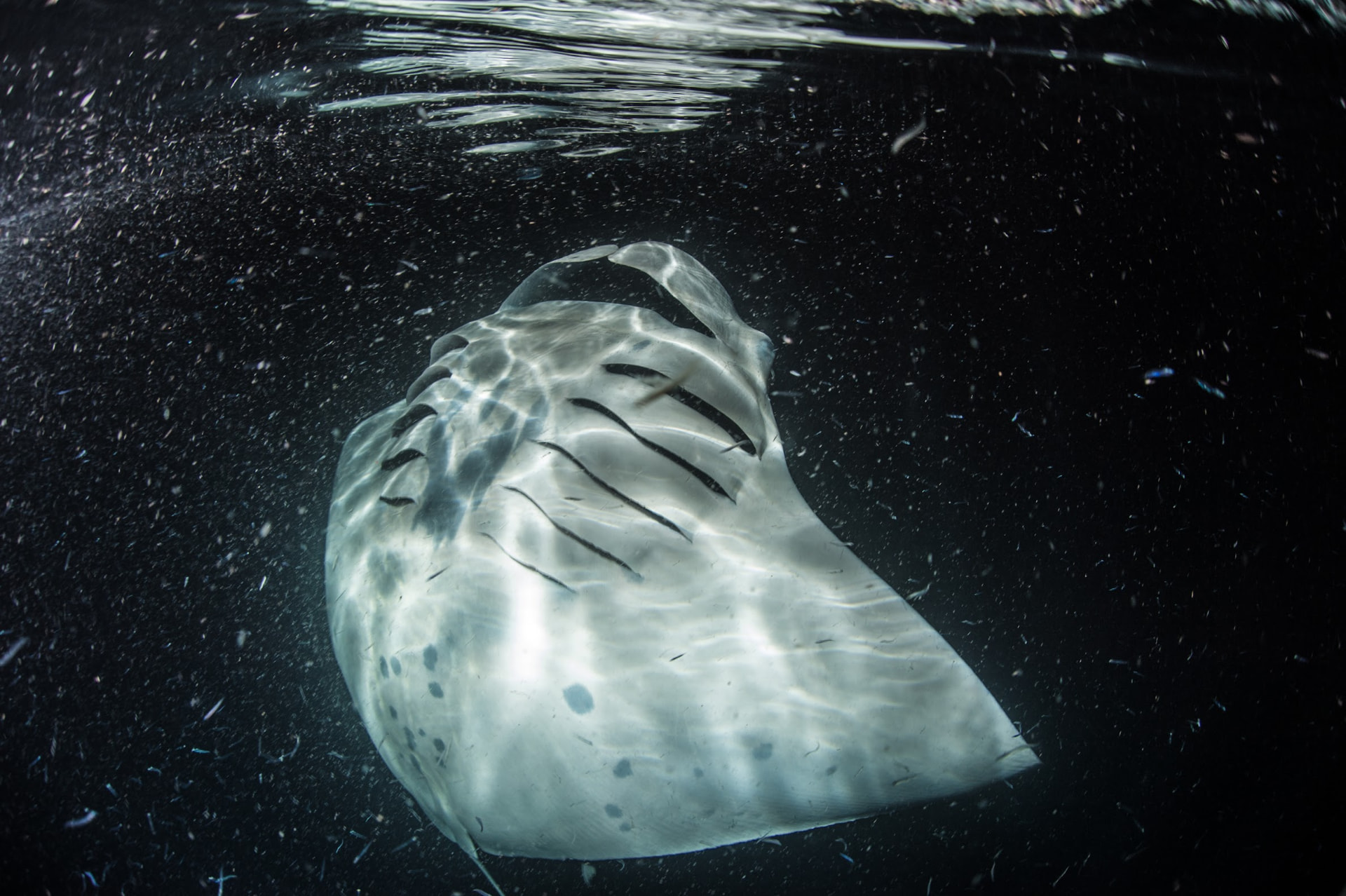
The mantas. Hanifaru is a natural event, not a scheduled one. Rangers and guides monitor the bay daily and the call can come at short notice, which is exactly why being on a boat in Baa Atoll all week beats flying in for a day. We will be positioned to go when it goes. Outside the bay, the cleaning stations give us scuba time with the same animals on a much more predictable basis, and Baa and Lhaviyani both hold stations that see steady manta traffic through the monsoon.
The other big animals. Whale sharks work the same plankton and turn up in and around the bay through the season, usually juveniles. Eagle rays move in schools at this time of year. Grey reef and whitetip reef sharks are regulars on the channels and thilas, though this is a different season and a different side of the atolls than the big shark walls of the northeast monsoon, so treat them as a bonus rather than the reason you came.
The water. Expect green rather than gin clear. Plankton is the whole reason the big animals are here, and it costs some visibility to get them. Water sits around 28 to 29°C, warm enough for a shorty or a 3mm. Expect passing squalls, warm rain, and dramatic skies.
The diving. A mix of channel drifts, thilas, and cleaning stations, three dives a day on full days plus a night dive during the week. Currents can be strong and unpredictable, and they run hardest around the full moon, so comfort in current matters more than logged dive count. Many dives go below 18m, so Advanced Open Water is recommended, and it can be completed on board. All diving is run from a separate dhoni, which means precise entries and exits and a dry, uncluttered main deck.
Non-Divers and Snorkelers Welcome
Hanifaru is the headline, and it is a snorkel. The mantas feed in the top few meters, so a snorkeler at Hanifaru sees exactly what a diver sees, which is not something you can say about many great marine encounters. If you dive and your partner does not, this is the Maldives trip to book together. It is a world-class expedition for divers and snorkelers alike.
Accommodation
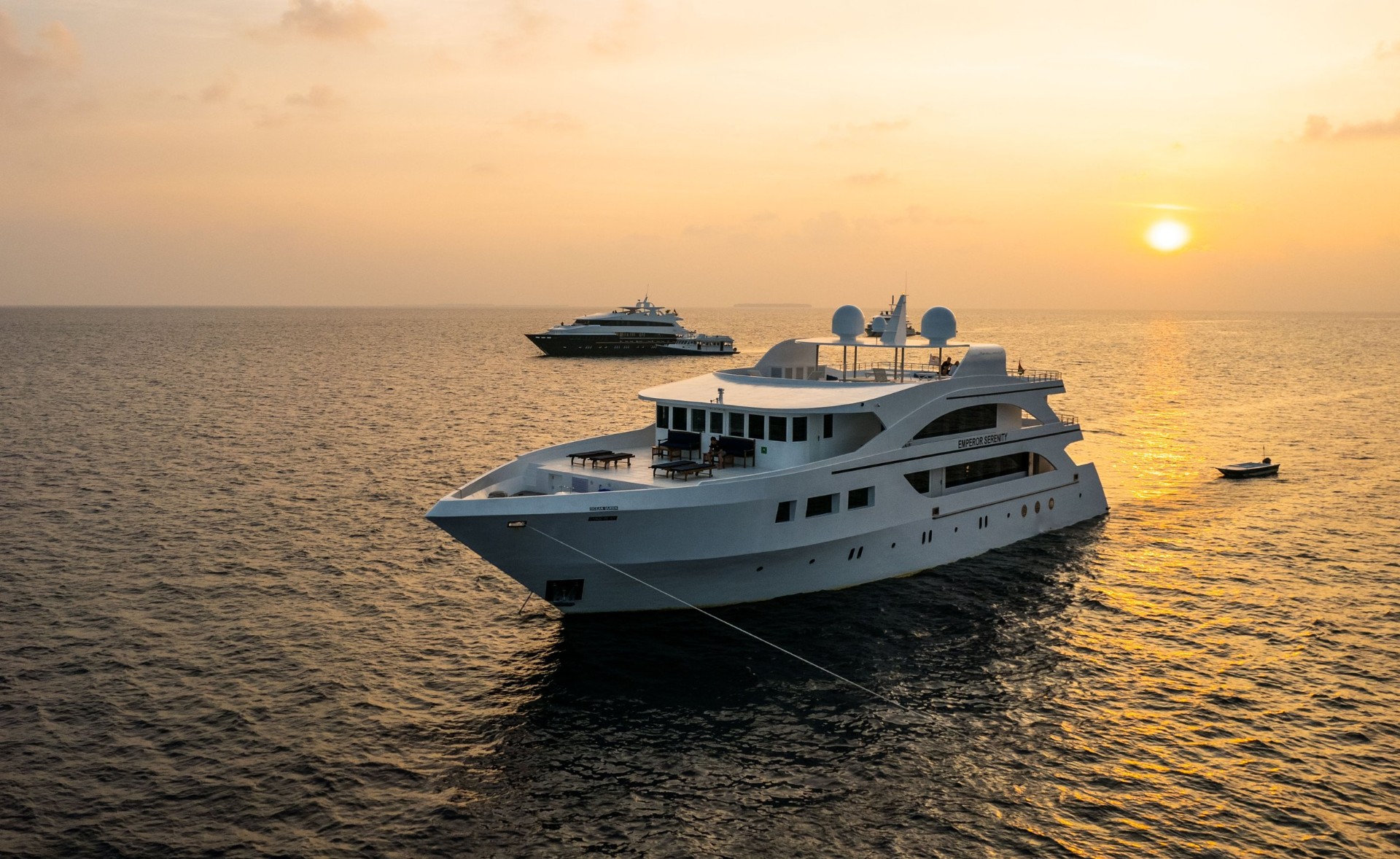
We sail aboard the Emperor Serenity, freshly rebuilt from the hull up and blending the style of its award-winning predecessor with a fully updated design. At 40 meters, the boat accommodates up to 26 travelers across 13 ensuite cabins on three decks, lower deck twins and main deck suites. Expect a relaxed, modern feel, excellent service, and multiple outdoor areas well suited to sunset watching. Diving operations run off a separate 24-meter dhoni for smooth, precise entry and exit at every site.
Expedition Leaders
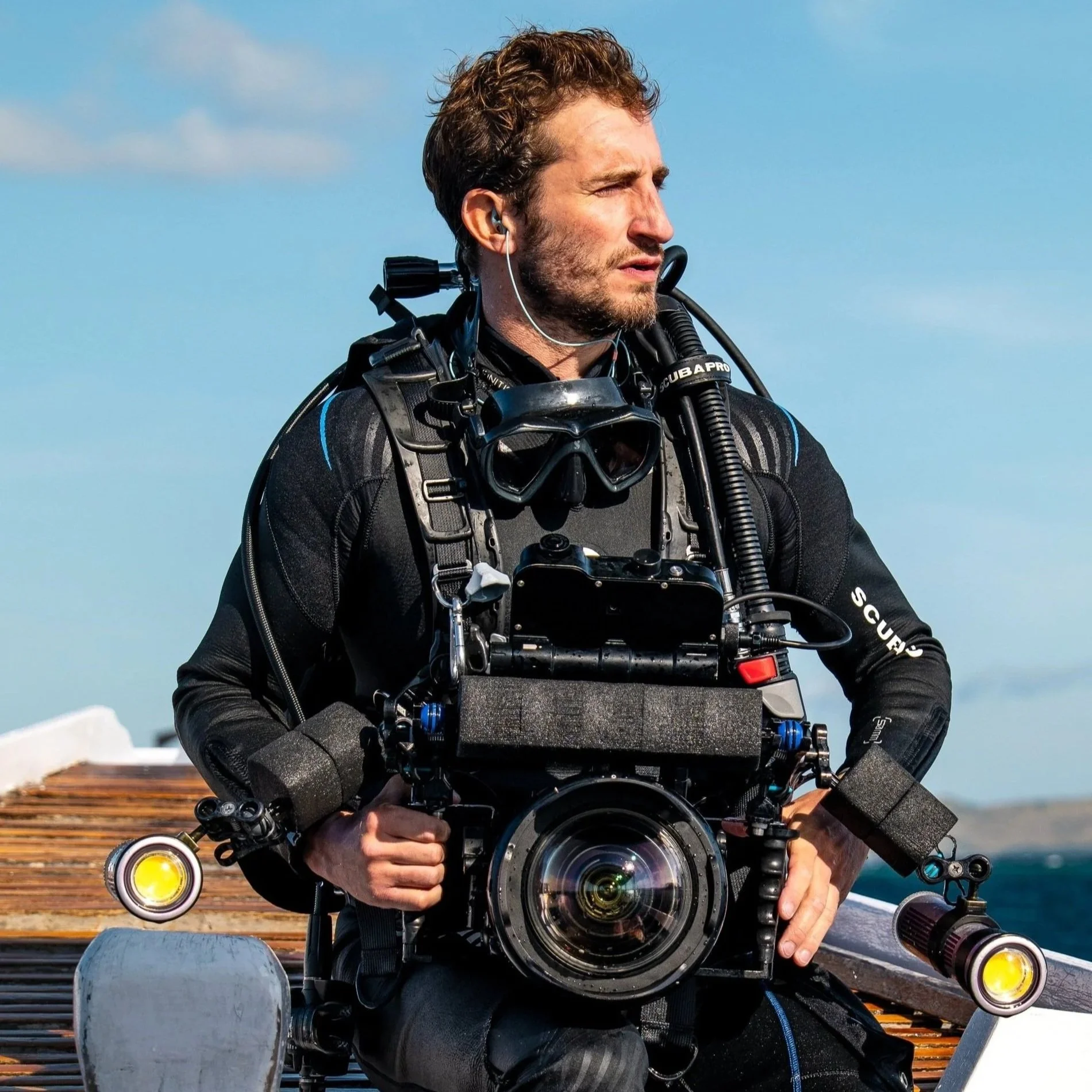
Matthew David Kaplan
Co-founder & expedition leader
Matthew David Kaplan is an ocean filmmaker, dive expedition leader, and conservationist dedicated to sharing the underwater world with a global audience. A contributor for Discovery, Scubapro Global Dive Team member, and SurfEars Ambassador, based between New York and Indonesia.
Instagram: @matthewunderwater
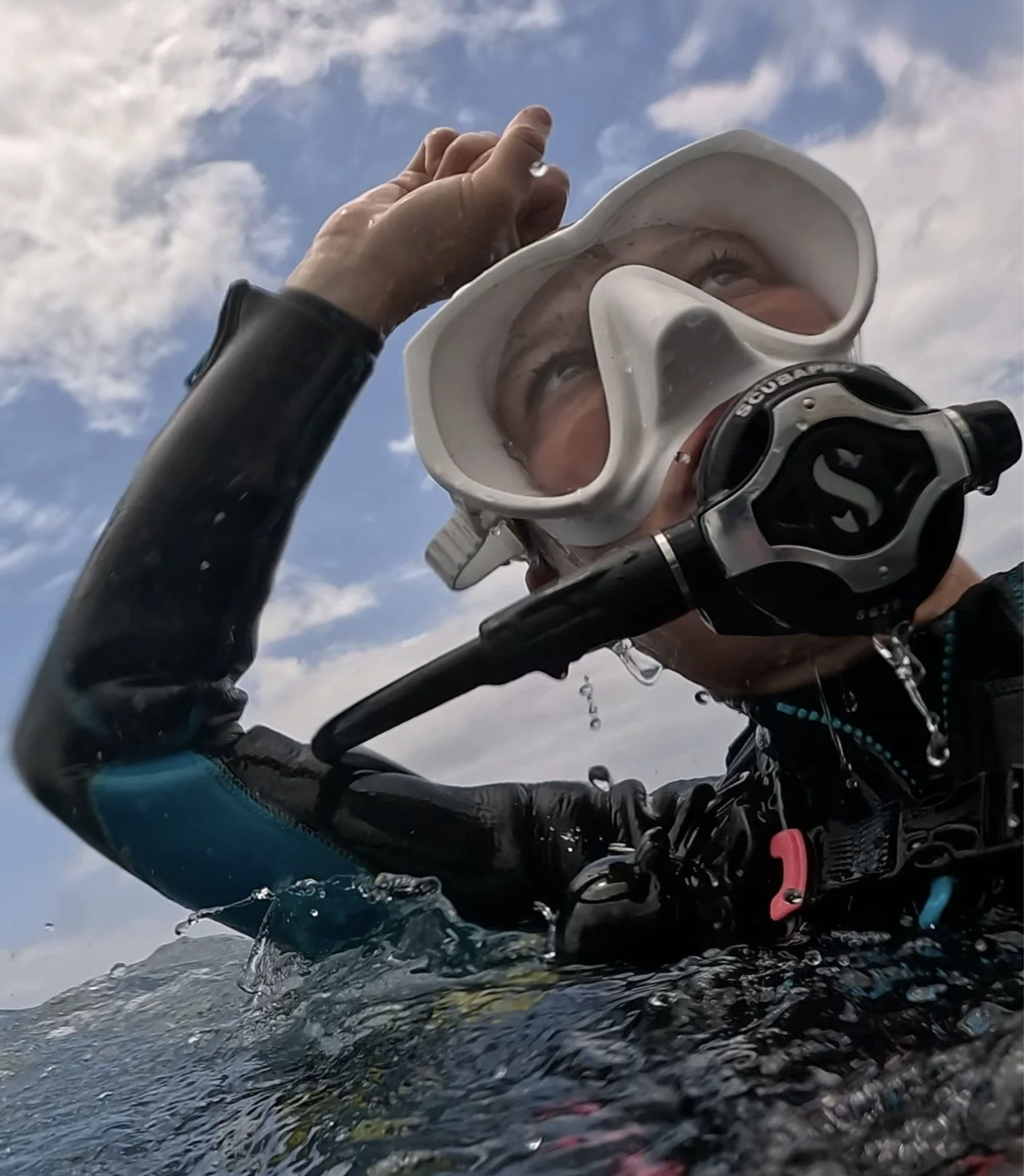
Audrey Cox
Co-founder & expedition leader
Audrey Cox is a conservation photographer, PADI dive instructor, and environmental economist documenting the ocean's beauty and fragility through her lens. Former NOAA researcher, Nature Conservancy photo contest finalist, and founder of a California marine-conservation dive club, based in California.
Instagram: @earth2audge
Frequently Asked Questions

If this trip is calling you, reach out.
We review every inquiry personally and travel in small groups. Spots are limited.
Other expeditions
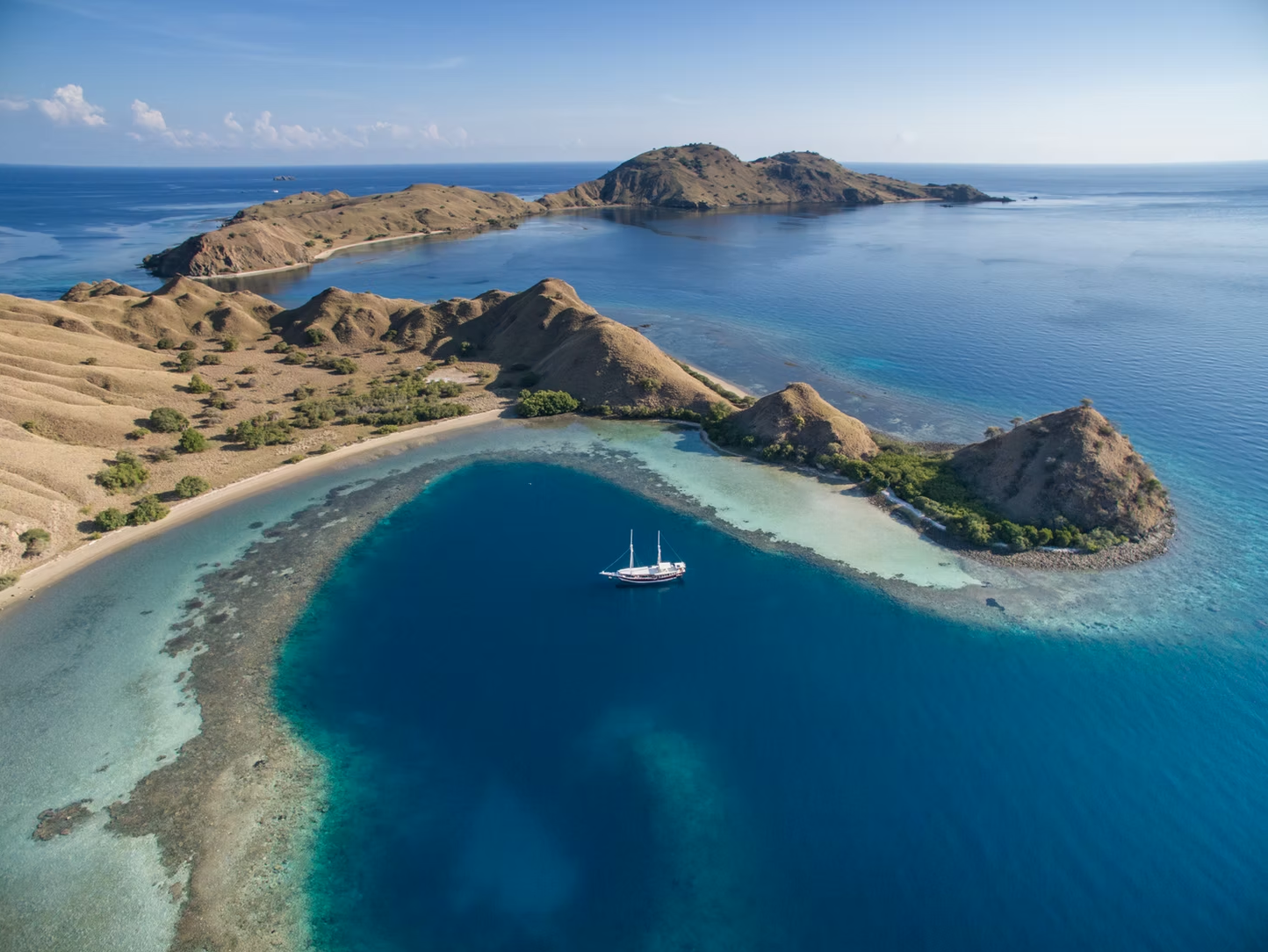
Komodo National Park
Eight-day liveaboard through Komodo Central & South, timed to the full moon tides and the park at its quietest. Manta rays, pristine coral reefs, world-class macro, and Komodo dragons on land.
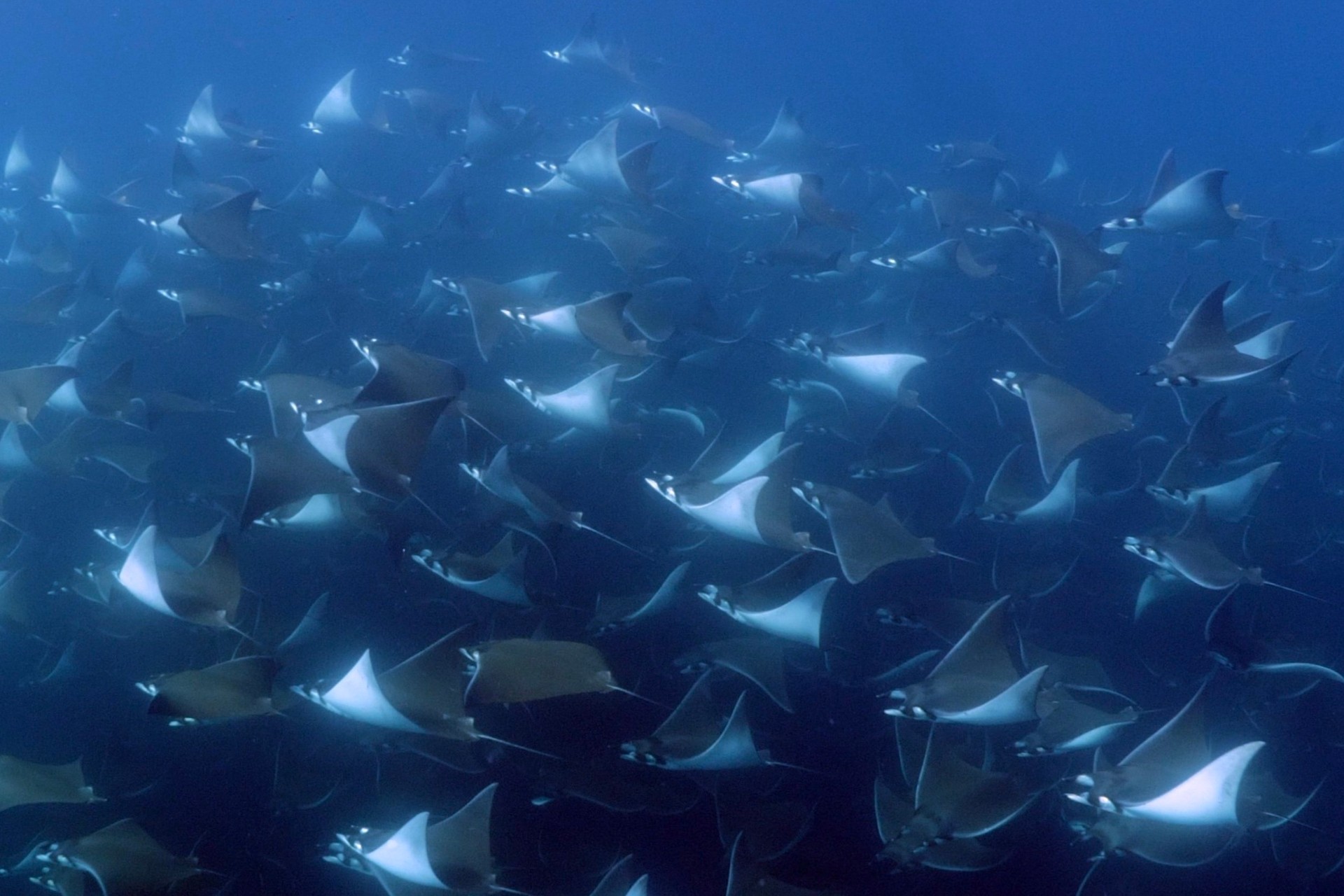
Baja California Sur
Hundreds of thousands of mobula rays converge in the Sea of Cortez in one of the ocean's greatest migrations. Whales, orca, dolphins, sharks, and sea lions share the same rich, plankton-fed water.
Malapascua
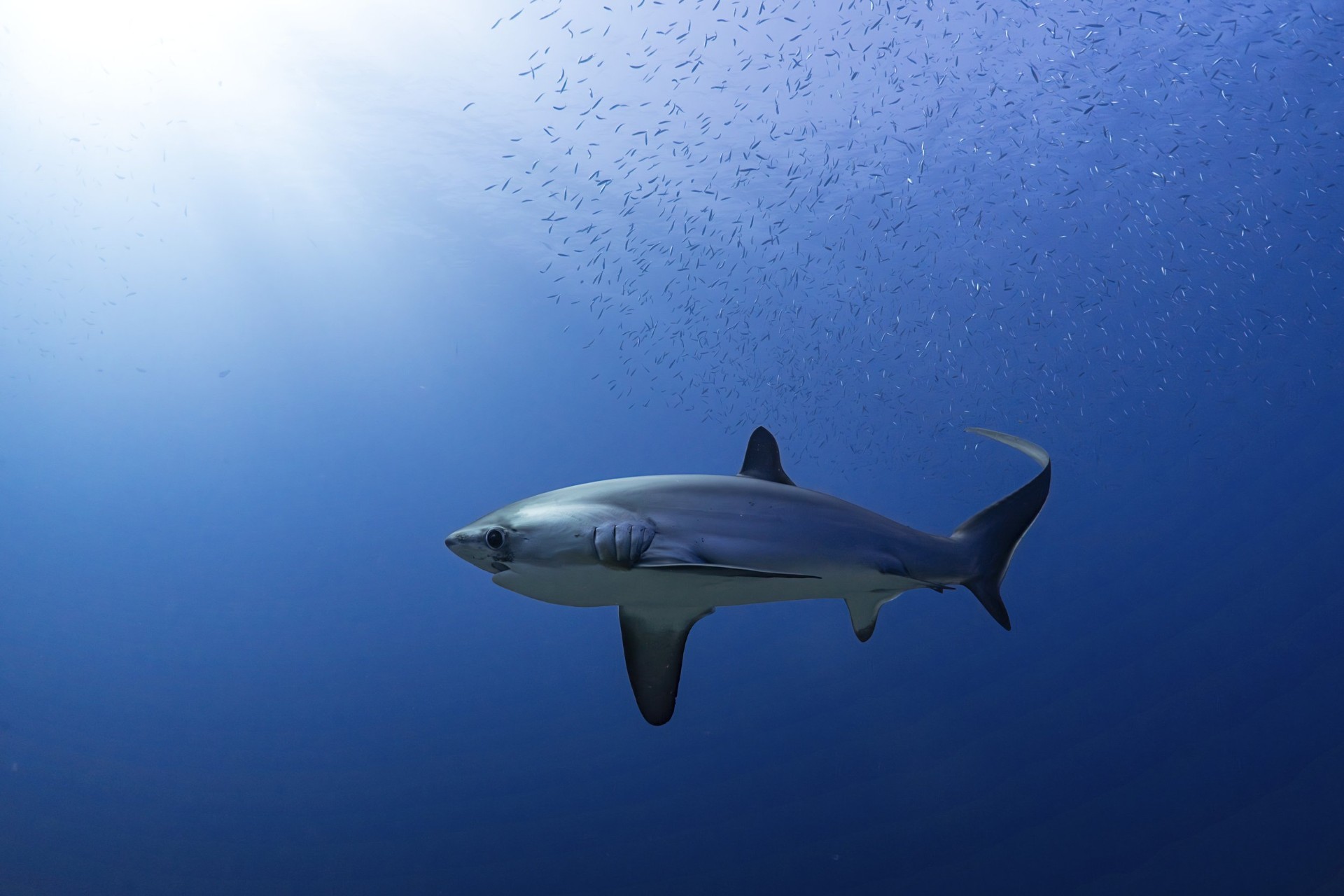
Come face to face with thresher sharks in Malapascua. Ten days at Evolution Dive Resort with 24 dives, from dawn on the Kimud Shoal cleaning stations to world-class macro.