February 2027
Komodo National Park, Indonesia
Dates
February 21 to 28, 2027
Duration
8 days / 7 nights
Dives
20 dives (including 3 night dives)
Type
Scuba diving
Base
Liveaboard
Required Level
Advanced Open Water
The Place
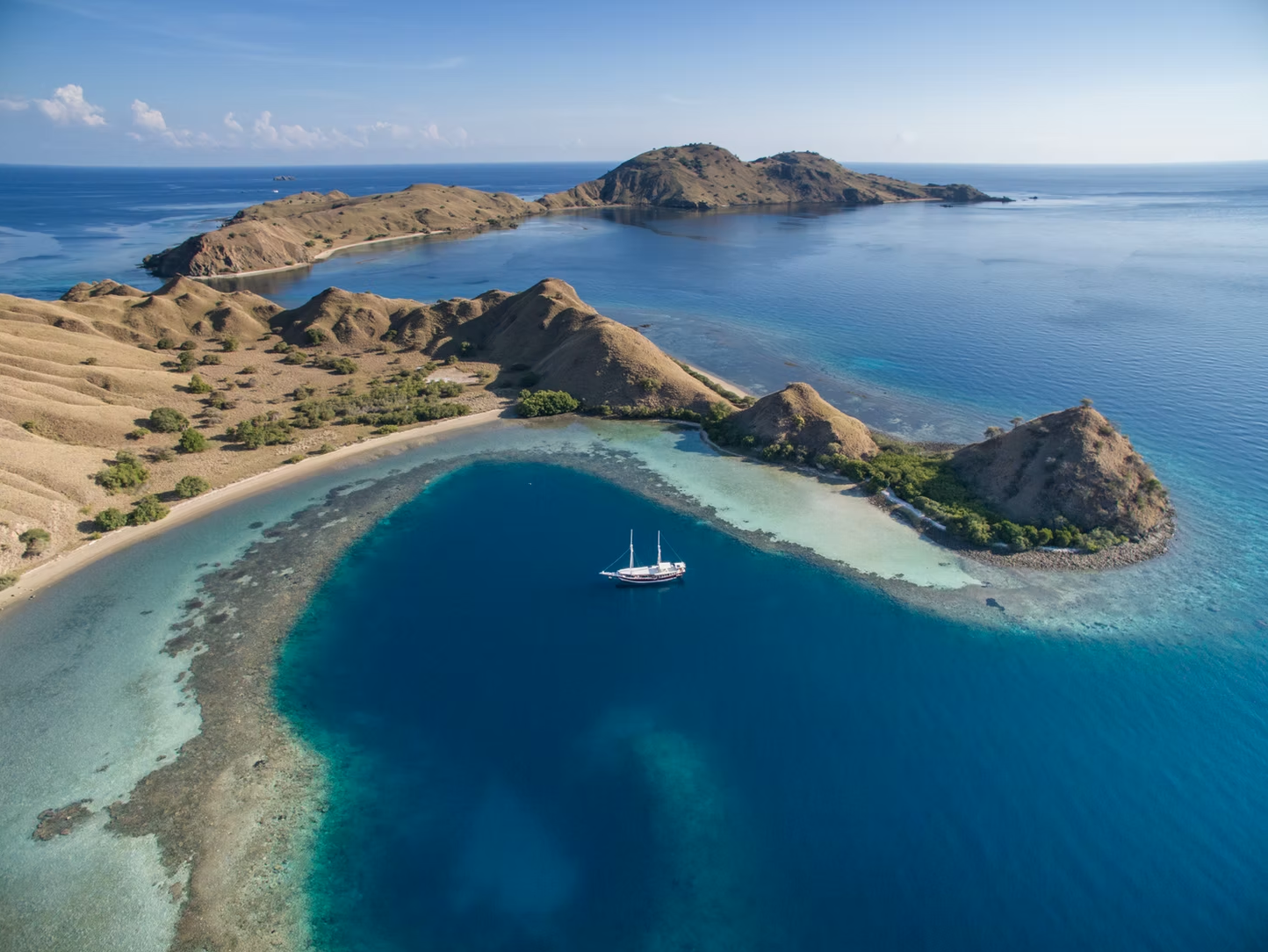
Komodo National Park sits at the collision of the Indian and Pacific Oceans, where powerful, nutrient-rich currents funnel through narrow straits and create some of the most productive diving on earth. This itinerary covers both Central and Southern Komodo aboard a traditional phinisi liveaboard with six travelers and two expedition leaders. The south, around Nusa Kode and Horseshoe Bay, sees far fewer boats and cooler upwelling water that concentrates marine life in ways the more visited northern sites rarely match. February sits in the heart of the season for this route, and the timing is deliberate: the expedition begins on the full moon of February 21. In our experience the greatest concentration of mantas comes in the days that follow, and the stronger currents a full moon brings tend to lift fish activity across the park along with them.
Water temperatures in February average 24 to 26°C, with the possibility of cooler upwelling currents at southern sites where a 5mm wetsuit is recommended. Visibility typically runs 15 to 25 meters across central sites and can be higher in the south when conditions are right. Komodo's currents are strong and a core part of what makes the diving exceptional. Drift dives are a regular feature of this itinerary and Advanced Open Water certification is required. All dives are guided.
Highlights
- •Seven nights and 20 dives across one of the most abundant and diverse marine ecosystems on earth
- •Central Komodo highlights: Batu Bolong, Tatawa Kecil, Mawan, and Manta Point
- •Southern Komodo highlights: Three Sisters, Pillarsteen, and Secret Garden
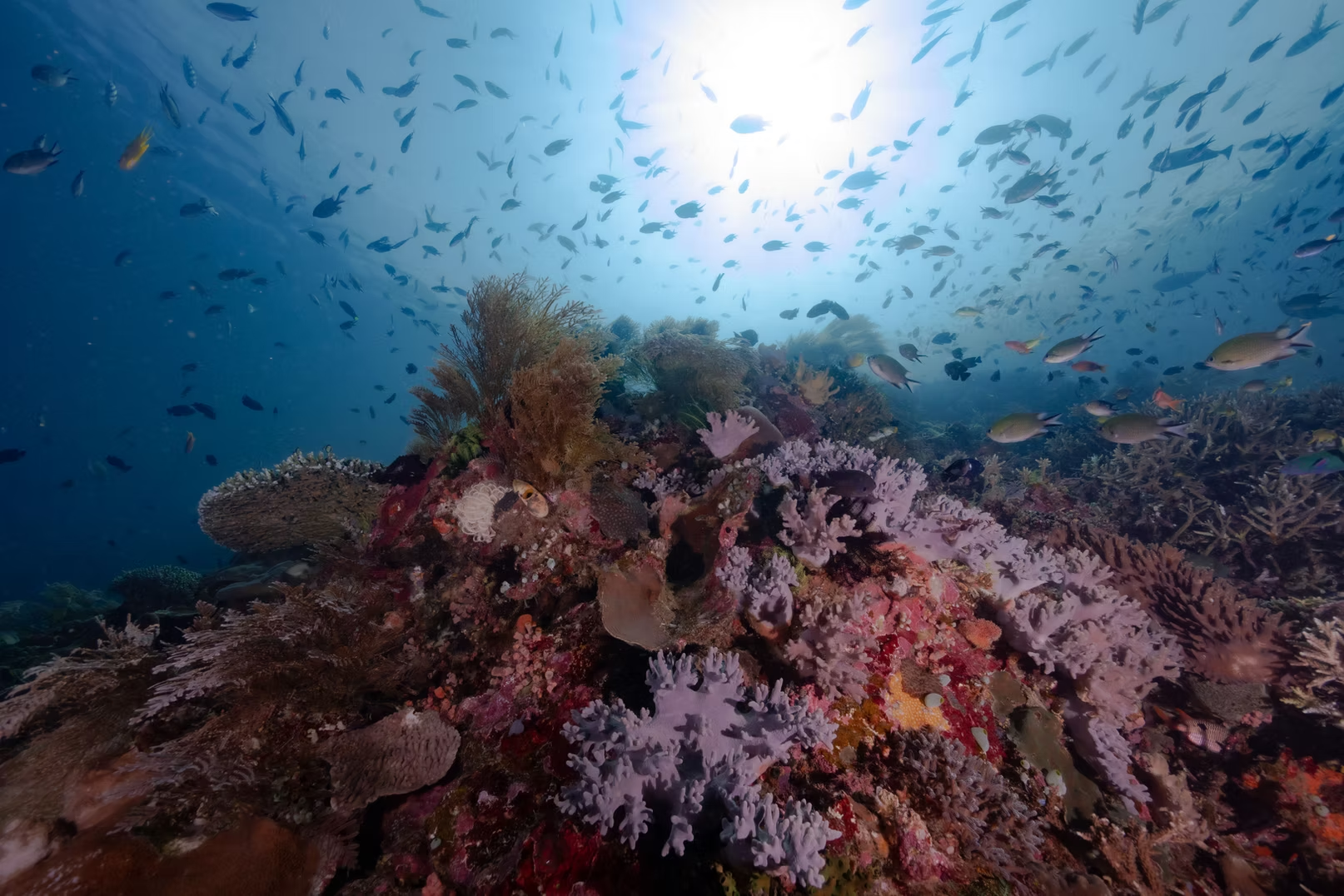
- •Manta rays cleaning and feeding, spectacular coral reefs, and walls of schooling fish
- •World-class macro: pygmy seahorses, nudibranchs, frogfish, blue-ringed octopus, harlequin shrimp, bobtail squid, wunderpus, leaf scorpionfish, and ornate ghost pipefish
- •Far fewer boats in the south, and a route timed to the February 21 full moon for the manta concentrations that follow
- •Komodo dragons up close on a land tour of Komodo Island
- •A hike to the Pulau Padar viewpoint, where three crescent bays open out below
- •Filmmaking and underwater storytelling coaching with Matthew and Audrey throughout
- •A close-knit group with a team-focused atmosphere on and off the boat
- •6 travelers and 2 expedition leaders aboard a traditional phinisi, with all guides, dives, and meals included
Pricing & Logistics
Wildlife you may encounter
Trip Program
Meet at Komodo Airport (LBJ), or at Mimamori Cafe in Labuan Bajo at 11am if you are already in town. Settle into your cabin, meet the crew over a safety briefing, and ease into the water with a check dive in the afternoon. A chance to sort weights, trim, and camera rigs somewhere forgiving before the current picks up.
Five full days of diving, three or four dives a day, with the schedule built around the tides rather than a fixed list of sites.
We open in Central. Batu Bolong and Tatawa Kecil are our anchors, both current-driven, both entirely different depending on when you drop in, and both worth doing more than once. Mawan and Manta Point are some of our manta stops, cleaning stations where the animals come in to be worked over by wrasse and, when the plankton is thick, stay to feed.
Then we head south for approximately three days. Fewer boats down here, and the terrain changes character: Pillarsteen with its stone pillars, canyons, and swim-throughs, plus Three Sisters, Secret Garden, and depending on conditions, other manta sites such as Manta Alley. After that we work our way back into Central for the last stretch, usually returning to whichever sites were firing on the way down as well as some new sites.
Roughly five dives across the week are given over to macro, three night dives and about two during the day, slowing everything down to look for the small, strange things the drift dives move you straight past. Komodo is one of the best places on earth to critter dive.
A few things worth knowing about how we run it:
- Repeats over checklists. We would rather dive eight exceptional sites multiple times than twenty sites once. If a dive delivers, we go back in.
- Tides first. Every day is planned around the tidal exchange that drives the currents here and feeds the reefs. A portion of our dives will be drift diving.
- Flexibility on purpose. Nothing is locked. If we find something extraordinary, or see an opportunity to adjust for better conditions we will, within the day and across the rest of the week.
We come ashore twice. On Komodo Island we walk with the park rangers to see the dragons on their own ground. And we hike Pulau Padar at dawn, climbing in the dark to reach the ridge as the light comes up over the three bays below.
A last morning of diving in Central, then the boat turns for home and we come into Labuan Bajo harbor in the afternoon.
Disembark after breakfast and transfer to the airport. Allow a minimum of 24 hours between your last dive and any flight. Twenty dives in total across the week.
Accommodation
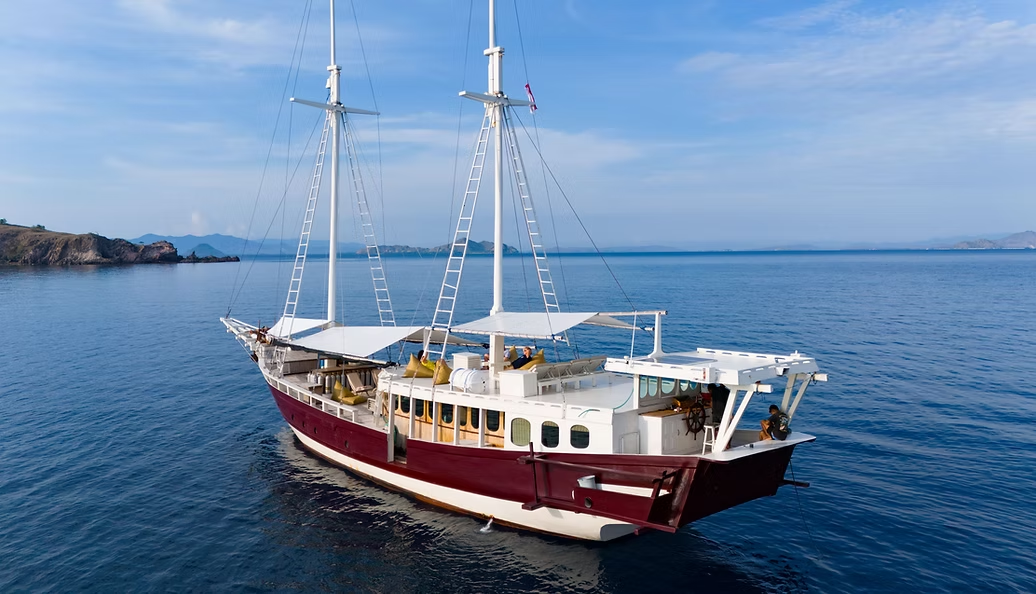
We sail aboard a traditional Indonesian phinisi liveaboard refitted with modern dive equipment, air-conditioned cabins, and a full galley. With six travelers and two expedition leaders, it is one of the most intimate liveaboard operations in the national park. Cabins are twin-share with private bathrooms.
Expedition Leaders
Matthew David Kaplan
Co-founder & expedition leader
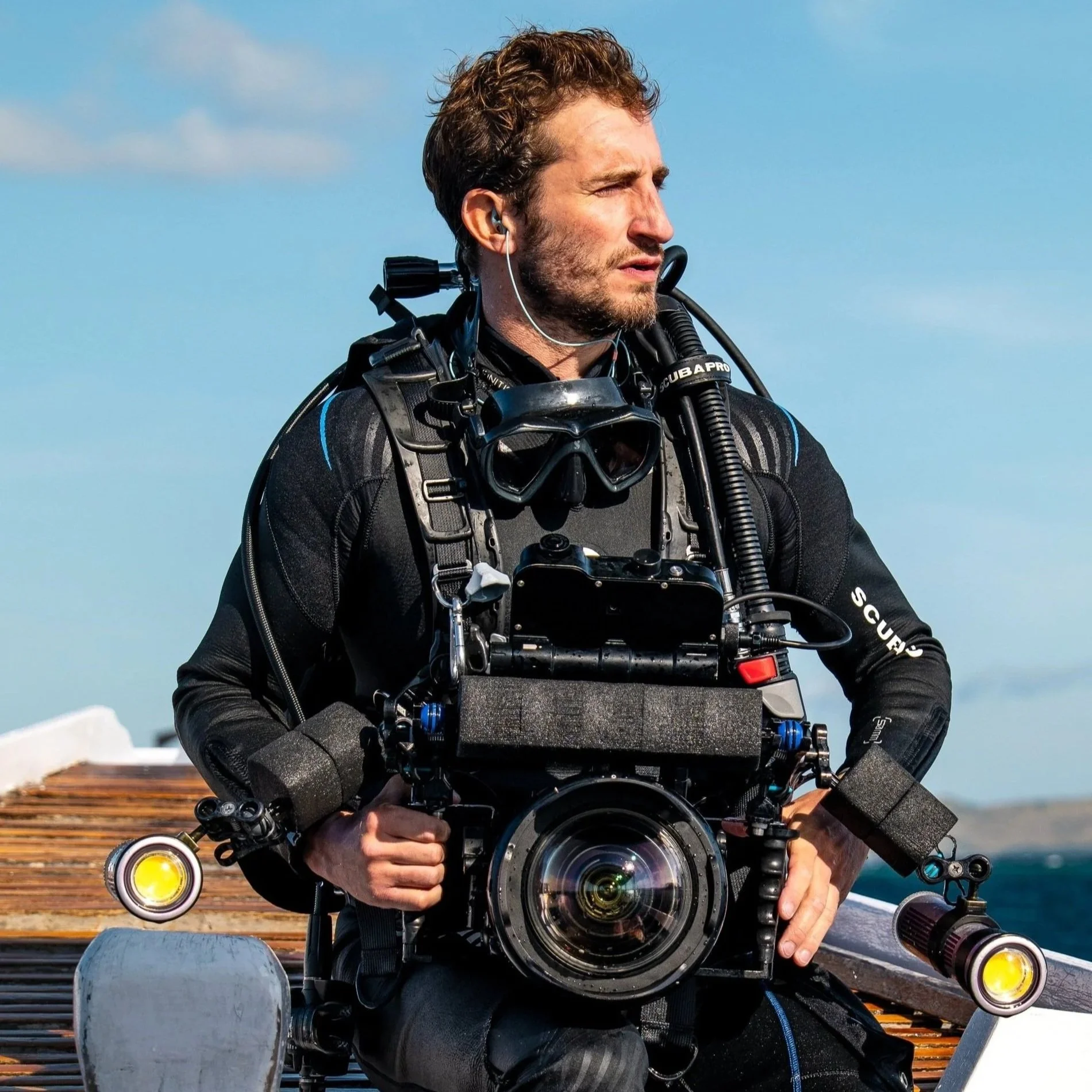
Matthew David Kaplan is an ocean filmmaker, dive expedition leader, and conservationist dedicated to sharing the underwater world with a global audience. A contributor for Discovery, Scubapro Global Dive Team member, and SurfEars Ambassador, based between New York and Indonesia.
Instagram: @matthewunderwater
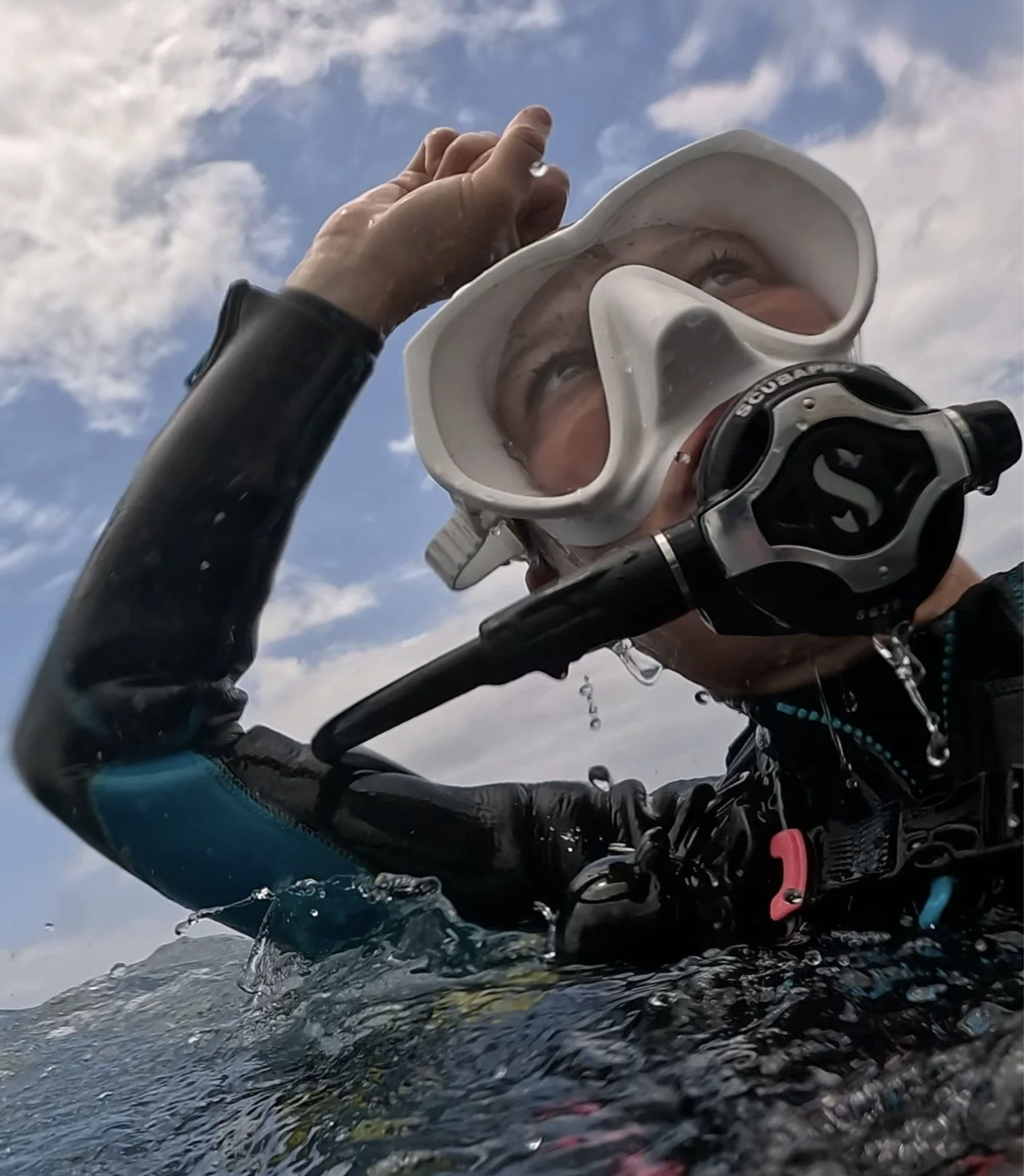
Audrey Cox
Co-founder & expedition leader
Audrey Cox is a conservation photographer, PADI dive instructor, and environmental economist documenting the ocean's beauty and fragility through her lens. Former NOAA researcher, Nature Conservancy photo contest finalist, and founder of a California marine-conservation dive club, based in California.
Instagram: @earth2audge
Frequently Asked Questions

If this trip is calling you, reach out.
We review every inquiry personally and travel in small groups. Spots are limited.
Other expeditions
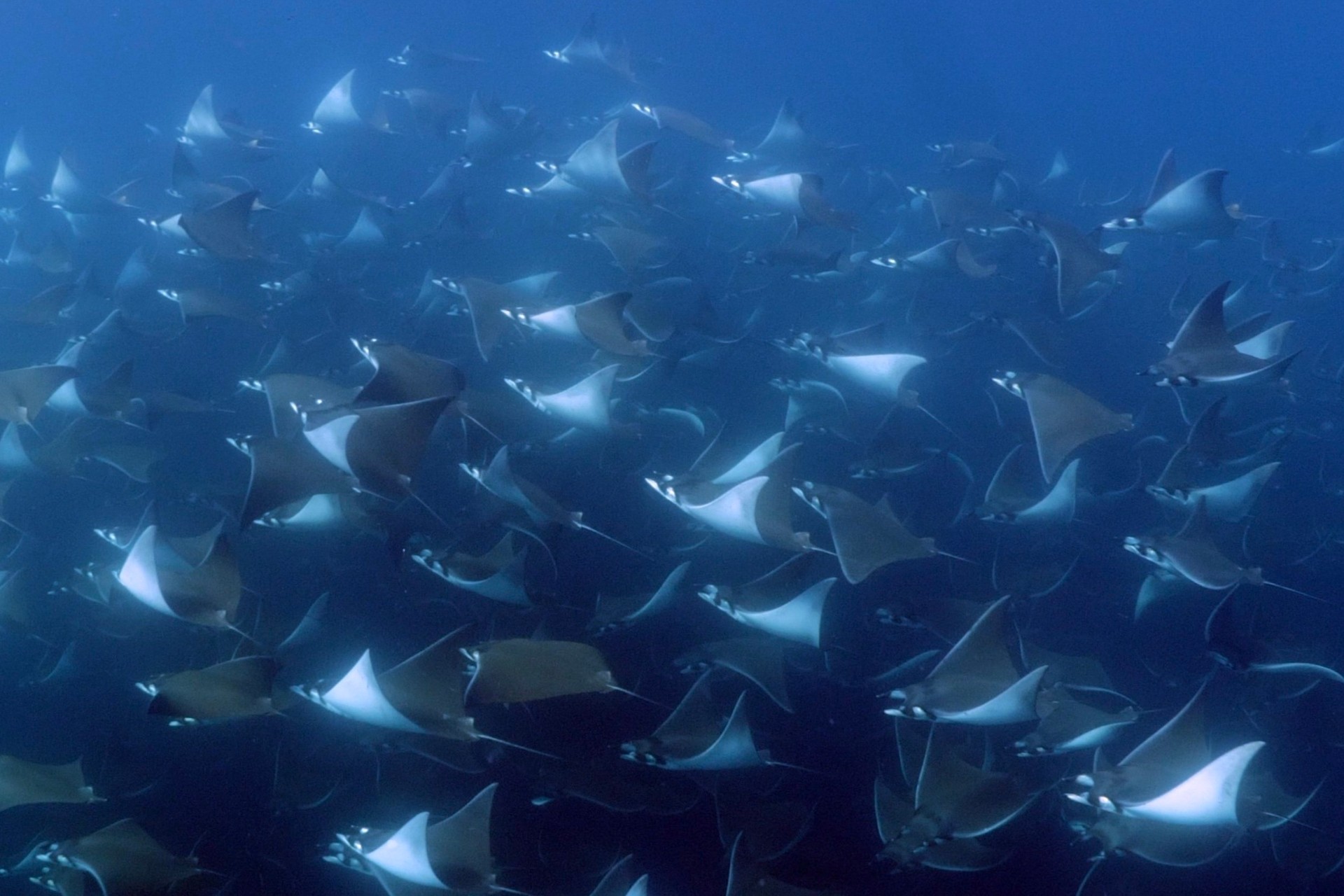
Baja California Sur
Hundreds of thousands of mobula rays converge in the Sea of Cortez in one of the ocean's greatest migrations. Whales, orca, dolphins, sharks, and sea lions share the same rich, plankton-fed water.
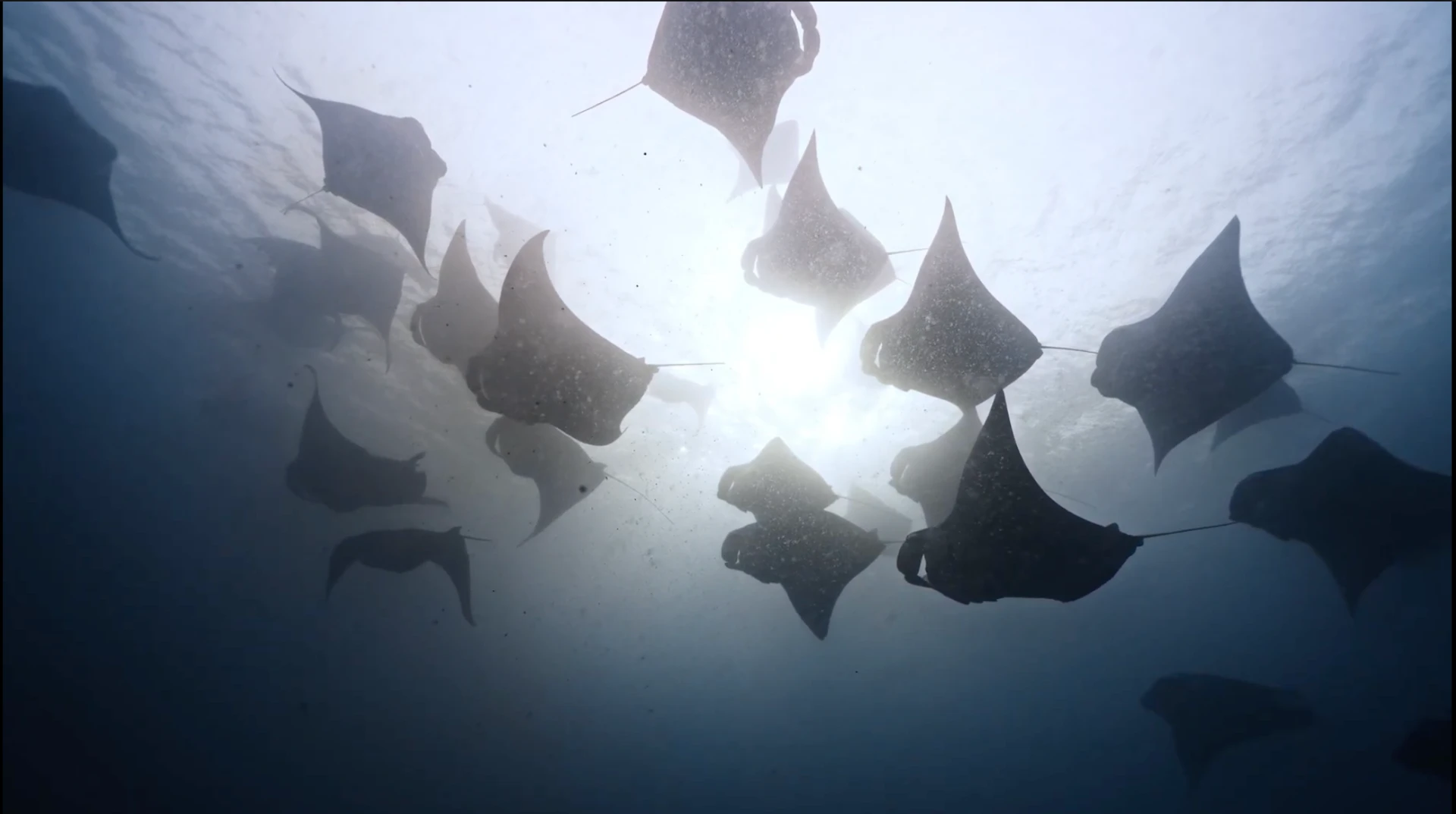
Hanifaru Bay
A luxury 7-night liveaboard through the northern Maldives, timed to the full moon at Hanifaru Bay for the world's largest manta aggregation. Then dive cleaning stations, channels, and reefs across Lhaviyani, Baa, and North Malé.
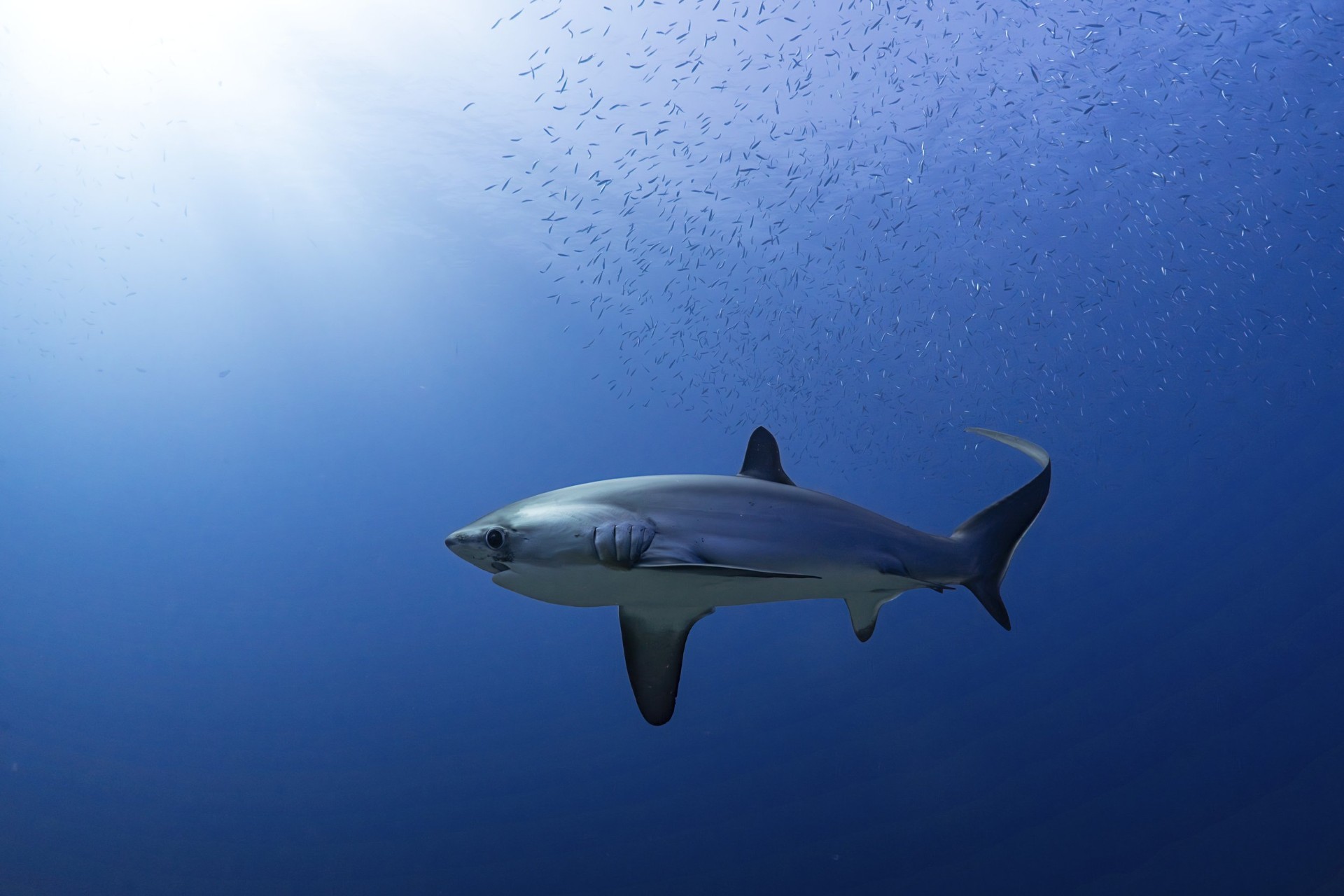
Malapascua
Come face to face with thresher sharks in Malapascua. Ten days at Evolution Dive Resort with 24 dives, from dawn on the Kimud Shoal cleaning stations to world-class macro.